








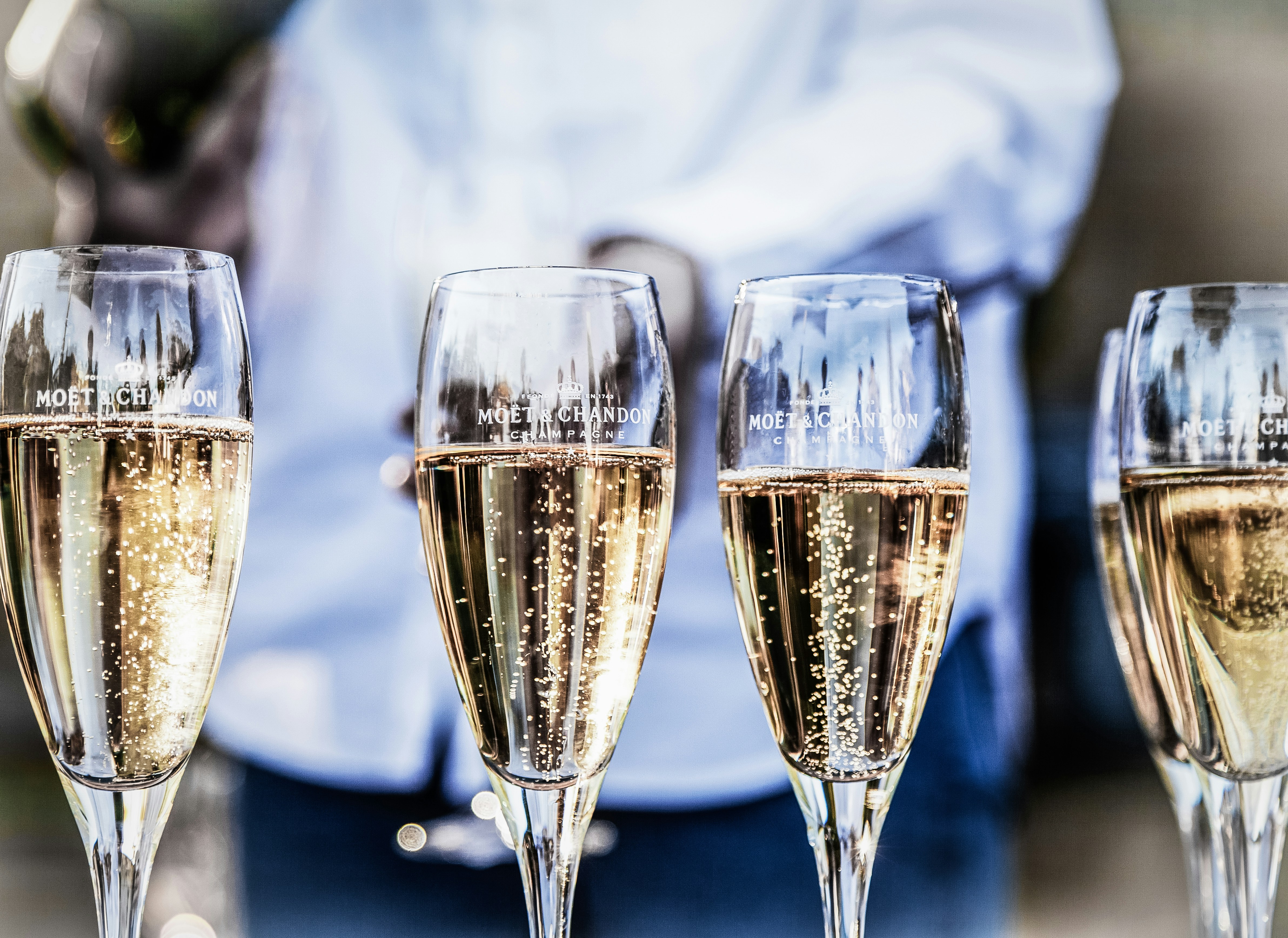

Champagne hails from the Champagne region of France, where it has been produced for over 300 years. The region itself boasts a unique climate and soil conditions that make it ideal for producing the perfect grapes for sparkling wine. While the concept of sparkling wine existed before Champagne, it wasn’t until the 17th century that it was perfected, particularly by the pioneering work of Dom Pérignon, a monk who is often credited with discovering the method of producing Champagne as we know it today.
But what makes Champagne truly distinct is its production process. Champagne is made using the "Méthode Champenoise," which involves two fermentations: one in vats, and a second in the bottle. The second fermentation is key to the bubbles and effervescence that Champagne is so famous for. This careful and deliberate process, which can take years, is what separates Champagne from other sparkling wines and contributes to its premium status.
The Making of Champagne: An Art and a Science
The traditional method of making Champagne, the Méthode Champenoise, is a lengthy and complex process. Here's a breakdown of how this sparkling wine is made:
- Harvesting and Pressing: The Champagne-making process begins with carefully handpicking the grapes—primarily Pinot Noir, Pinot Meunier, and Chardonnay—at the peak of ripeness. These grapes are pressed gently to avoid extracting tannins that could spoil the wine’s flavor.
- Primary Fermentation: After pressing, the juice undergoes its first fermentation, where yeast is added to convert the sugar into alcohol. The result is a still wine, often quite sharp and acidic.
- Blending: The winemaker then blends different wines from various grape varieties, vineyards, and years to achieve a consistent flavor profile. This is an essential part of Champagne-making, as it allows for continuity and consistency in every bottle.
- Secondary Fermentation: The true magic happens here. The blended wine is bottled with sugar and yeast, which initiates a second fermentation in the bottle. As the yeast consumes the sugar, it produces carbon dioxide, resulting in bubbles. The wine also gains complexity and richness during this time.
- Riddling and Disgorging: After fermentation, bottles are gradually tilted and rotated—a process called "riddling"—to collect the yeast sediment near the bottle’s neck. The bottle is then frozen, and the sediment is ejected in a process called disgorging.
- Dosage: After disgorging, the bottle is topped off with a mixture of wine and sugar, known as "dosage," to achieve the desired sweetness level. This final step ensures the Champagne has the right balance of dry or sweet flavors.
- Aging: Finally, the Champagne is aged for several more months (or even years), allowing it to develop its distinctive flavors and texture.
Champagne Styles: Exploring the Different Flavors
Champagne isn’t just a one-size-fits-all drink. It comes in various styles, each offering its own flavor profile and character. Here’s a breakdown of the main types of Champagne:
- Brut: This is the most common type, offering a dry and crisp taste. It’s perfect for those who appreciate a clean, mineral finish.
- Extra Brut: Even drier than Brut, Extra Brut Champagne has very little residual sugar, making it a great choice for purists who love a sharp, dry wine.
- Demi-Sec: For those who enjoy a touch of sweetness, Demi-Sec Champagne is richer and fruitier. It pairs well with desserts or is simply enjoyable on its own.
- Rosé Champagne: Made with a small amount of red wine added to the blend, Rosé Champagne is known for its delicate pink color and a flavor profile that often includes berry and floral notes.
- Vintage Champagne: Produced from grapes harvested in a single year, Vintage Champagne is considered a premium option. It's aged longer, resulting in a complex, nuanced flavor with layers of depth.
- Blanc de Blancs: Made only from Chardonnay grapes, this Champagne is typically light, crisp, and citrusy. It’s often favored as an aperitif or paired with light dishes like seafood.
How to Enjoy Champagne: Beyond the Toast
While Champagne is often associated with milestones, it can be enjoyed throughout any occasion. Whether you’re celebrating a birthday, a promotion, or simply having a quiet evening, Champagne is the drink that can elevate any experience.
Here are a few tips on how to fully enjoy your bottle of Champagne:
- Serve Chilled: Champagne is best served between 46-50°F (8-10°C). Too warm, and the bubbles won’t pop; too cold, and the wine’s flavors will be muted.
- Use the Right Glass: Flute glasses are the classic choice for Champagne, but a tulip-shaped glass works best for capturing the aromas while still showcasing the bubbles. Avoid wide-mouthed glasses, which allow the bubbles to dissipate too quickly.
- Pairing with Food: Champagne pairs beautifully with a wide variety of dishes. Light and elegant, it complements everything from caviar and seafood to creamy cheeses and even fried foods. Don’t forget that Champagne also makes an excellent pairing for salty snacks like popcorn or potato chips.
- Savor the Moment: Champagne should be savored slowly. Pay attention to the bubbles as they rise, the flavors that develop with each sip, and the smooth finish. It’s more than just a drink—it’s an experience.
Why Champagne is the Ultimate Drink for Any Occasion
Champagne has long been a symbol of luxury, success, and celebration, but its versatility and rich character make it perfect for so much more. It’s a drink that fits into every moment, whether you're celebrating a milestone, indulging in a quiet moment, or treating yourself to something special.
So next time you crack open a bottle of Champagne, remember that you're not just drinking a beverage—you're partaking in centuries of tradition, craftsmanship, and the joy of living life to the fullest.


 Home
Home
 Categories
Thanks for sharing!